Uncover the Advantages of Assisted Living: A Detailed Guide to Care and Community
Assisted living offers a unique blend of personalized care and community support for elderly individuals and adults with special needs. It prioritizes individual needs while promoting an environment that encourages independence. Many may question about the specific benefits these residential options provide. Understanding the essential elements of assisted living can reveal how it enhances quality of life. What factors should one consider when exploring these options?
Comprehending Assisted Living: The Basics and Who Benefits
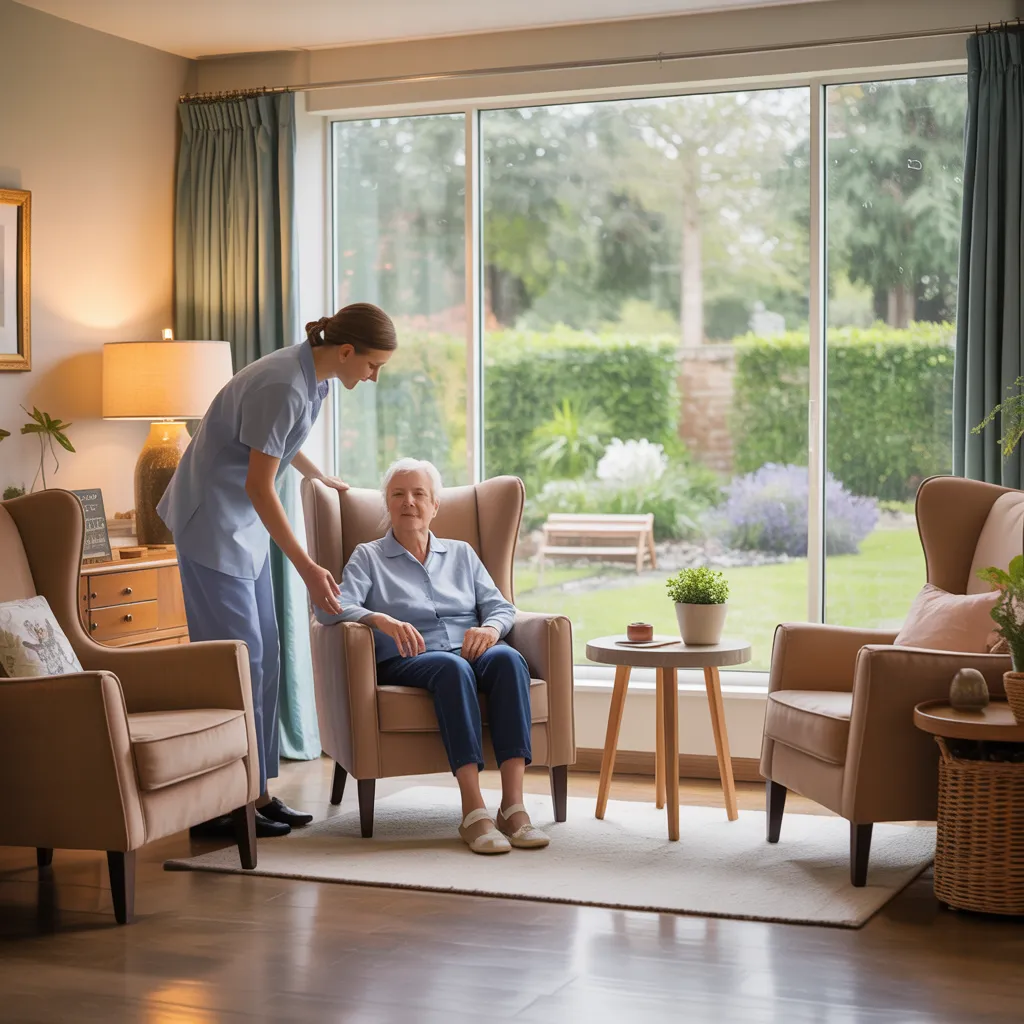
Assisted living serves as a helpful residential solution for those who depend on assistance with daily activities while preserving a sense of independence. This style of living arrangement caters primarily to senior citizens and adults with disabilities, offering a mix of personal care services and communal living. Residents typically receive assistance with responsibilities such as bathing, dressing, and medication management, while still preserving their privacy and autonomy. Assisted living centers often feature numerous amenities, including recreational programs, dining services, and transportation options, promoting a sense of community. The space is developed to encourage both safety and social engagement, making it an appealing option for those who want support without compromising their independence.
Individualized Care Plans: Adjusting Support to Personal Needs
Several assisted living centers give priority to personalized care plans to ensure that each resident is provided with support adapted to their explore this topic unique needs and preferences. These plans are established through thorough assessments that take into account medical history, daily routines, and individual goals. Care teams, including nurses and caregivers, cooperate with residents and their families to develop a holistic approach that enhances quality of life. This tailored support can tackle various aspects, such as medication management, personal hygiene, and nutritional needs. By focusing on individual requirements, communities can cultivate a sense of dignity and independence in residents. Personalized care plans not only elevate the overall well-being of individuals but also promote a more enjoyable living experience within the community, guaranteeing that each resident feels valued and understood.
The Significance of Social Relationships in Assisted Living
While the transition to assisted living can be demanding for some, the development of social connections plays an vital role in boosting residents' overall well-being. These connections deliver emotional support and foster a sense of belonging, considerably reducing feelings of isolation and loneliness. Interacting with peers encourages participation in community activities, resulting in improved mental and physical health outcomes. Social interactions stimulate cognitive function and promote a positive outlook on life, which are imperative for seniors adjusting to new environments. Additionally, friendships formed in assisted living facilities often create shared experiences, enhancing the quality of life. In the end, the importance of social connections cannot be overstated, as they are essential in creating a dynamic, supportive community for residents.

Safety and Security: A Tranquil Setting for Seniors
Safety and security remain essential in assisted living settings, ensuring a tranquil atmosphere for seniors. With round-the-clock staff accessibility, secure living spaces, and effective emergency response systems, residents can feel safeguarded and supported at all times. This focus on safety not only boosts quality of life but also fosters a sense of community among seniors.
Around-the-Clock Staff Availability
Staff availability in assisted living facilities plays a vital role in ensuring a safe and tranquil environment for seniors. A sufficiently staffed facility confirms that residents receive swift assistance, whether for daily activities or emergencies. Experienced professionals are available around the clock, fostering a sense of safety that is crucial for seniors and their families. In addition, regular staff presence facilitates social interaction, decreasing feelings of loneliness and isolation. With adequate staffing, caregivers can build meaningful relationships with residents, elevating their overall health and happiness. Facilities that value staff availability exhibit a commitment to high-quality care, confirming that seniors feel cherished and helped in their living environment. This availability is crucial for maintaining both physical safety and emotional comfort.
Protected Living Areas
A secure living space is fundamental for fostering a peaceful environment for seniors in assisted living facilities. These environments are created with security elements such as controlled entryways, properly lighted passages, and security camera networks to confirm residents feel protected. The layout frequently decreases dangers, with user-friendly design features that support mobility aids and reduce falls. Staff members are trained to observe the environment and respond to any safety concerns, moreover strengthening residents' sense of security. Additionally, community areas are often secured to foster a sense of safety while promoting social interaction. By focusing on security, assisted living facilities establish a comforting atmosphere that enables seniors to focus on appreciating their lifestyle, knowing their health and security are maintained.
Emergency Response Solutions
Well-designed emergency response systems are crucial in guaranteeing the well-being of seniors in assisted living facilities. These systems are created to provide instant assistance in case of medical emergencies, falls, or other urgent circumstances. Generally, they include components like pull cords, wearable alert devices, and round-the-clock monitoring services, allowing residents to request help quickly. Furthermore, staff members are trained to respond promptly to any alarms, making certain that residents receive timely care. The presence of these systems not only enhances safety but also creates a sense of security among residents and their families. By fostering a peaceful environment, emergency response systems bring significantly to the overall quality of life in assisted living facilities, enabling seniors to maintain their independence with confidence.
Engaging Offerings and Activities: Nurturing a Lively Community
While residents in assisted living communities typically seek assistance for daily activities, engaging programs and activities play an essential role in fostering a vibrant community. These initiatives encourage socialization, creativity, and mental stimulation, helping to combat feelings of isolation that can accompany aging. Residents can participate in a variety of offerings, including fitness classes, art workshops, and group outings. Such programs not only promote physical health but also boost emotional health. Moreover, themed events and celebrations create opportunities for residents to connect with one another, forming lasting friendships. By focusing on these engaging experiences, assisted living communities cultivate an atmosphere where residents feel valued, inspired, and actively engaged with their surroundings, ultimately improving their quality of life.
Cost Considerations: Making Assisted Living Cost-Effective
Grasping the cost considerations of assisted living is essential for families considering this option. A detailed breakdown of costs, available financial assistance options, and strategic budgeting strategies can help make care more cost-effective. This discussion seeks to explain these elements, ensuring well-informed choices can be made.
Comprehending Costs Analysis
Managing the costs connected to assisted living can be difficult, particularly for families looking to make informed financial decisions. Understanding the breakdown of expenses is essential. Monthly fees typically cover housing, meals, and basic care services, but additional costs may arise for specialized medical care, therapies, or personal assistance. Location can significantly influence pricing, as urban facilities often charge more than rural ones. Families should also consider upfront fees, security deposits, and potential increases in rates over time. It is essential to evaluate what services are included in the base rate, ensuring there are no hidden fees. By thoroughly analyzing these factors, families can better prepare for the financial obligations of assisted living, ensuring a more seamless transition for their loved ones.
Financial Assistance Options
How can families navigate the financial landscape of assisted living? Various financial assistance options exist to help ease the burden. Long-term care insurance can help with expenses, depending on coverage details. Veterans may also access benefits via the Department of Veterans Affairs, supplying financial aid for assisted living. State Medicaid programs may provide aid to individuals meeting specific qualification requirements, assisting with care expenses. Certain facilities provide income-based sliding fee schedules, improving affordability. Finally, families can explore personal savings or family contributions to bridge any financial gaps. Understanding these resources is vital for making informed decisions about assisted living.
Budgeting for Healthcare
Managing the financial landscape of assisted living demands meticulous planning and consideration. Individuals must first evaluate their financial resources, including savings, pensions, and potential income from investments. It is crucial to understand the costs associated with various facilities, as expenses can vary considerably based on location, services offered, and level of care required. Additionally, exploring financial assistance options, such as veterans' benefits or Medicaid, can provide necessary support. Creating a detailed budget that includes not only monthly fees but also potential out-of-pocket expenses for personal care or medical needs is essential. By carefully managing finances, families can make informed decisions, ensuring that quality care remains accessible while minimizing financial strain.
Frequently Asked Questions
What Dietary Choices Are Provided at Assisted Living Centers?
Assisted living residences usually present varied nutritional selections, including nutritionally balanced dishes, personalized dietary accommodations for medical conditions, vegetarian and vegan alternatives, and internationally inspired dishes, making certain residents receive healthy and enjoyable dining options adapted to their preferences.
Can Residents Keep Pets During Their Stay in Assisted Living?
Many assisted living residences let residents to keep pets, recognizing the emotional benefits pets provide. However, specific policies vary by facility, so future residents should ask about any restrictions or requirements related to pet ownership.
What Is the Process for Managing Medications in Assisted Living Communities?
Medicines in assisted living residences are commonly overseen by skilled staff who oversee administration, monitor dosages, and guarantee timely intake. Residents receive tailored care plans, improving adherence and encouraging overall health and wellness.
What Occurs if a Resident's Medical Needs Shift?
When changes occur in a resident's health requirements, assisted living communities reassess their care plan, frequently elevating support services or coordinating with healthcare providers to deliver appropriate medical attention, enhancing the resident's overall well-being and comfort.
Are Family Members Allowed to Participate in Care Planning?
Yes, family members are allowed to participate in care planning. Their participation is welcomed to verify that the resident's wishes, requirements, and values are upheld, establishing a joint effort to tailored care within assisted living environments.